
There is a moment almost every dog owner goes through sooner or later.
For a few months your small puppy was wonderful. He followed you. He answered to his name. He came when called. It seemed you were simply a naturally gifted dog owner.
And then one day you call your dog.
Nothing.
Again.
He lifts his head, makes it perfectly clear he heard the sound, and returns to some extraordinarily important smell in the grass.
Welcome to adolescence.
Not rebellion, but a system rebuilding itself
The first thought is often very personal: “He is testing me.” The second: “He is trying to take charge.” The third: “He has forgotten everything.”
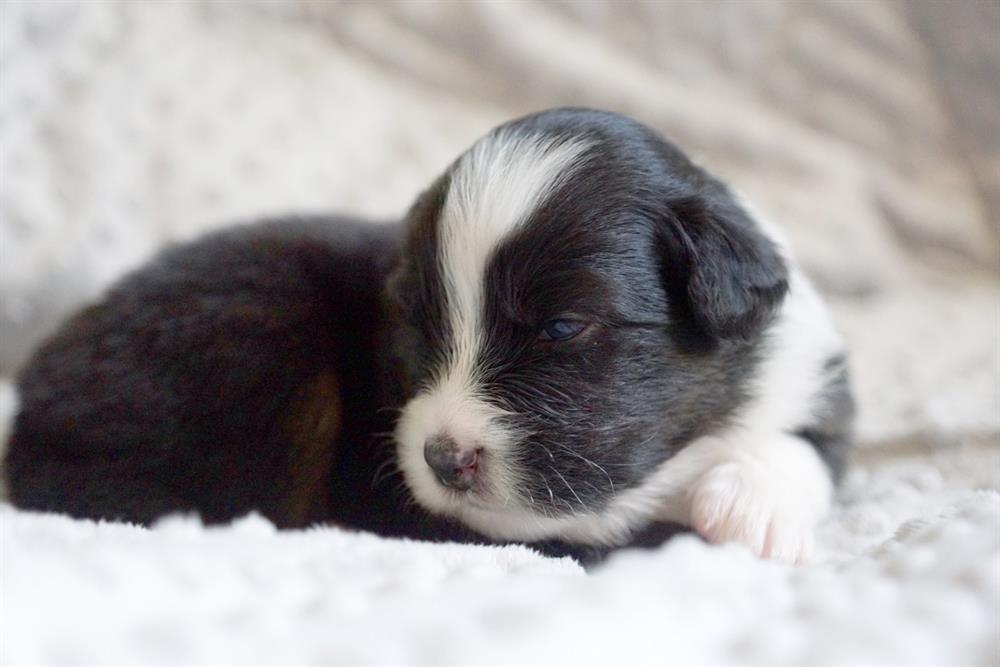
Usually neither of them is much help.
The dog has not forgotten what he learned. His brain, body, hormonal system and relationship with the world are simply changing very fast.
Physical ability grows faster than self-regulation. The world suddenly becomes extraordinarily interesting. Other dogs, smells and movement take on far greater meaning.
So on Monday a young dog can seem incredibly steady, and on Wednesday be frightened by something he has walked past fifty times.
It is the same dog. His system is simply being rebuilt at full speed.
Why “dominance” does not help here
At this point simple explanations are very tempting. “Dominance” above all.
If the problem is that the dog is trying to win a battle for power, then the task is very clear: the person has to win.
Only then almost every situation becomes a conflict. The dog pulls? A challenge. Did not come? Disrespect. Barks? Testing boundaries.
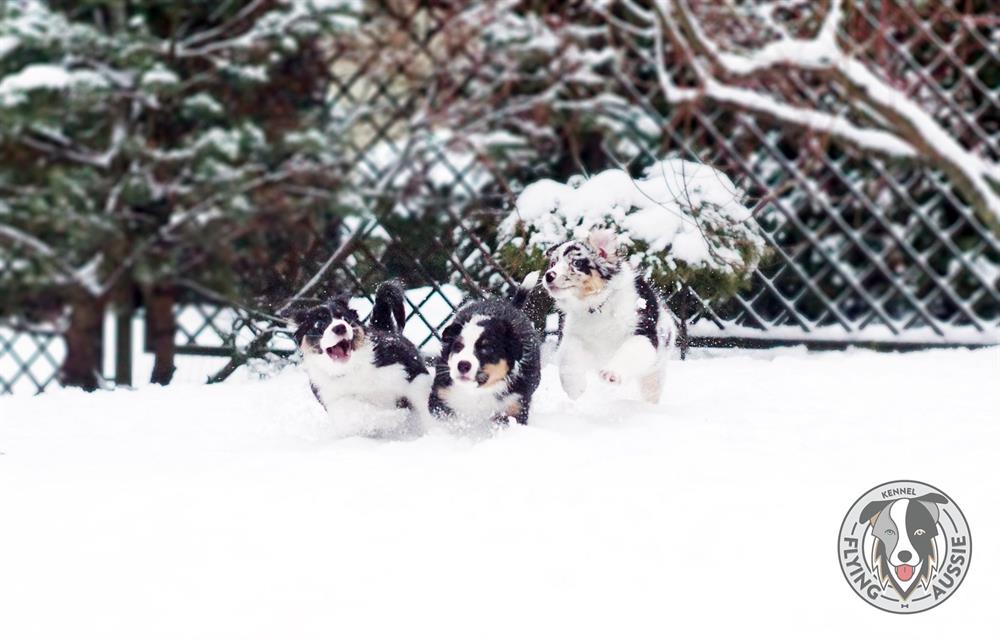
And very quickly, instead of “why is this hard for him today?”, the question becomes “how do I show who is in charge?”
For us the first question is far more useful.
This does not mean an adolescent should live with no boundaries at all. Quite the opposite. In this period clear, consistent boundaries become especially important. But a boundary and a punishment are not synonyms.
You can manage the environment, stop unwanted behaviour being repeated, help the dog make better choices — and still not go to war with him.
A free audit of your family’s routines
Adolescence also shows a family’s weak spots very clearly.
While the small puppy followed everyone about, the house rules may have seemed clear. An adolescent will quickly reveal that one family member allows the sofa, another forbids it, a third allows it only at weekends, and a child secretly allows it always.
He is not creating a problem. He has simply given your routines a free audit.
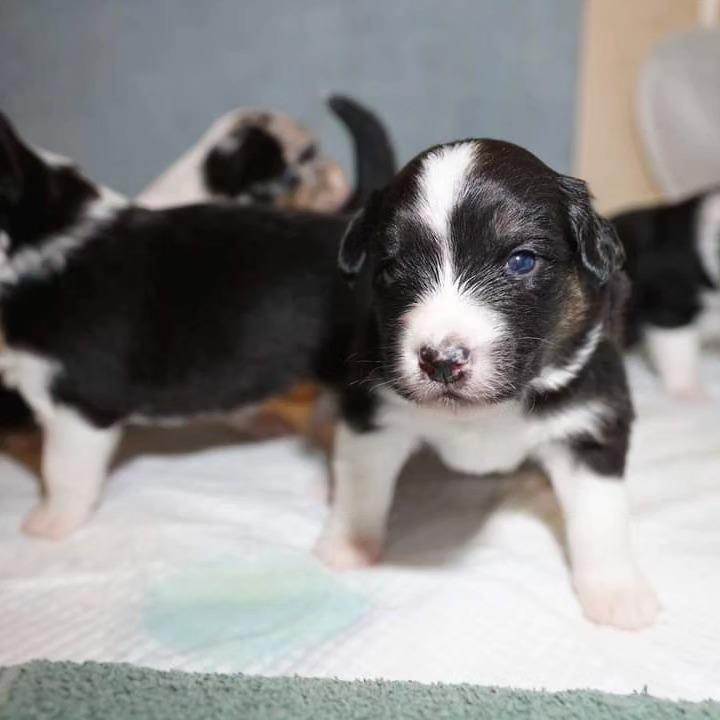
This stage also tests how a person deals with mistakes.
If every setback is taken as a personal failure, life with an adolescent very quickly becomes exhausting. If we treat behaviour as information — “right, this situation was too hard for him today” — there is far more room for solutions.
Adolescence has no exact start and end date. Different dogs mature differently, and their behaviour is affected not only by age but also by health, environment and temperament.
But one thing can be promised.
Your goal is not to get back that convenient five-month-old puppy. He is gone. And that is a good thing.
You are raising an adult dog.
So we prefer to see adolescence not as a period to be “sorted out”, but as a stage a young dog needs to be accompanied through.
Sometimes it will feel as if the bond has weakened. Often it is just changing shape.
And when you both come out the other side, it very often turns out the relationship has become far more interesting than when the puppy still thought you were his entire world.
Invitation: “Skraidančios Ausytės” families can get in touch beyond the first week. Adolescence is one of the reasons a lifelong relationship matters to us, rather than the handover day alone.