
Once the puppy is home it is very easy to feel that a race has begun.
We must show him a bus. Children. A bicycle. An elderly person. Someone with an umbrella. A dog. Another dog. A cat. The city. The forest. A shopping centre.
The socialisation window will not stay open forever, so off we go.
After a week the puppy has a busier social calendar than most adults.
But the aim of socialisation is not to collect as many photographs with different objects as possible. And it is certainly not to teach a dog that he must run up to every person or dog to say hello.
The goal is safety, not a number of encounters
For us a well-socialised dog is above all one who is able to feel safe enough in the world.
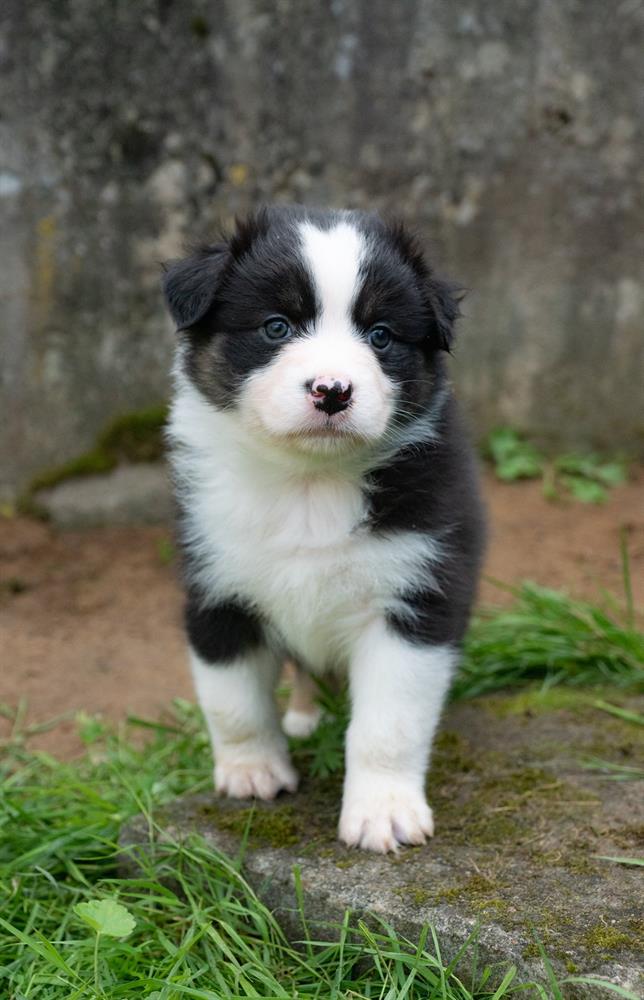
He can notice something new, assess it, withdraw if needed and return to normal after a surprise.
Sometimes contact is needed. Sometimes the best socialisation session is five minutes watching a bus stop from a safe distance, and then going home.
It may look to you as if “we did nothing”. For the puppy it may have been just right.
The first months of life really are very important. That is when a puppy forms an early sense of whether the world is manageable, whether people can be trusted, and what happens when he meets something new.
But the sheer number of experiences guarantees nothing.
You can honestly tick three boxes: met a child, a bus and five dogs. But if the puppy was tense the whole time, could not move away and did not recover for an hour afterwards, your list records an excellent day of socialisation. From the dog’s point of view — perhaps not.
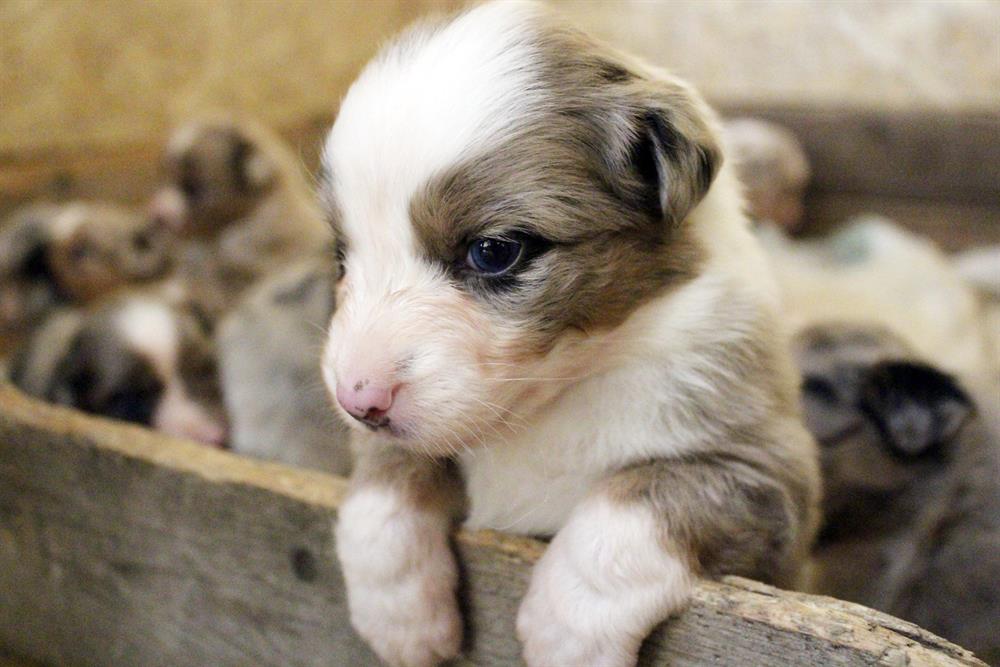
So we look not at what the puppy saw, but at how he experienced it.
Neutrality is a social skill too
Neutrality is a very important part of socialisation too.
In a city your dog will pass thousands of people and dogs in his lifetime. He will never need to interact with the vast majority of them.
Being able to see another dog and simply walk on is an excellent social skill. Sometimes better than wanting to befriend everyone.
If from puppyhood every dog he meets means a game, we very quickly create an expectation: “A dog! Let’s go!” And then one day you say “no”.
The dog does not understand why the rules suddenly changed, and at the end of the lead we have a very sincere protest.
What is more, we know almost nothing about a dog we meet by chance. Perhaps he does not want to interact. Perhaps he is in pain. Perhaps his play style does not suit your puppy at all.
A few good, safe dog friendships often give far more than thirty random greetings.
It is not only people and dogs
And socialisation is not only about people and dogs.
That means different surfaces underfoot, the car, city sounds, grooming procedures, nail trimming, a vet examination, unfamiliar places, and even the ability to lie calmly while something is going on around him.
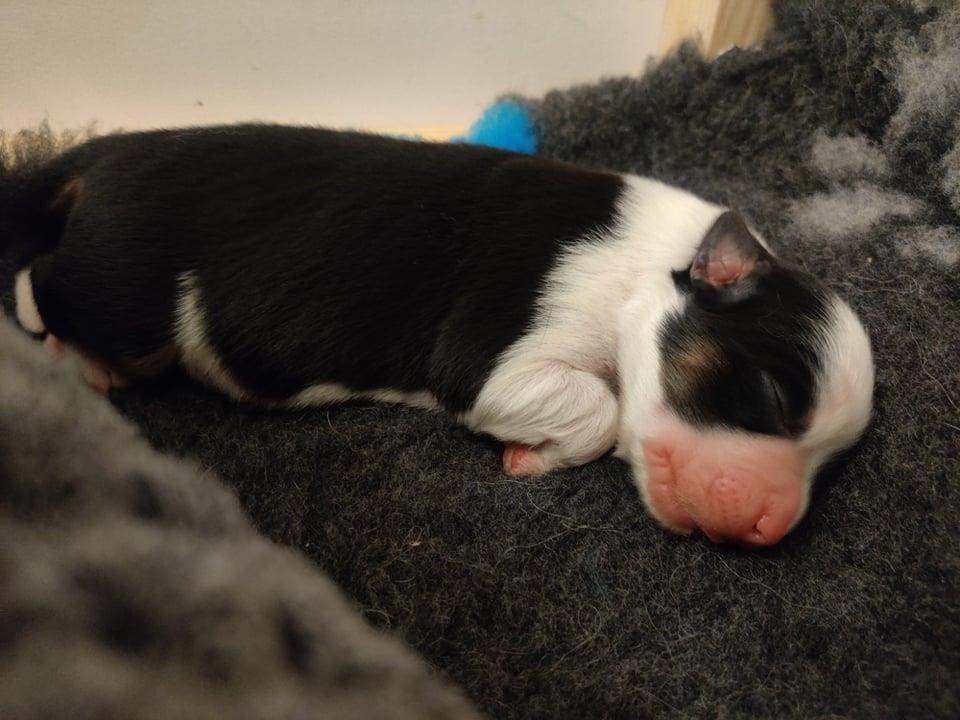
We begin this process in the litter. But it does not end on the day the puppy leaves.
And after the “socialisation period” a dog is not a finished project.
As he grows, his body, hormones and perception of the world change. Something that was completely straightforward for a four-month-old puppy sometimes becomes a question again for an eight-month-old adolescent.
It does not mean you have ruined something. It means the dog in front of you today is a little different from the one three months ago.
Another important point — early acquaintance with the world has to be balanced against managing health risks. Neither total isolation until the last vaccination nor uncontrolled contact with every dog you meet is a sensible universal plan. It is worth discussing the specific risk with your own vet, taking vaccination and the local epidemiological situation into account.
So we do not see socialisation as an attempt to raise a dog who fears nothing. We do not need such a dog either.
We want a dog who, when he meets something new, has the tools to cope with it and knows that his person will pay attention to how he feels.
The world does not have to be an exam. It should be a place the puppy gradually learns to understand.
Invitation: Our puppies leave with information about the world they have already met and about their individual sensitivity. We help the family understand what is worth continuing and why one puppy may need a different pace from another.